
When it comes to vision correction, contact lenses are a popular choice for many people. They offer the convenience of clear vision without the need for glasses, and advancements in technology have made them more comfortable and versatile than ever before. However, to ensure the best fit and health for your eyes, a contact lens fitting is essential. This article will explain why you need a contact lens fitting and what to expect during the process.
Understanding Contact Lens Fitting
A contact lens fitting is a crucial part of the process of getting contact lenses. It involves a comprehensive evaluation of your eyes, including their shape, size, and health, to determine the best type of contact lenses for you. This process is necessary to ensure that your lenses fit properly, provide clear vision, and do not cause any discomfort or damage to your eyes.
Importance of Contact Lens Fitting
There are several reasons why a contact lens fitting is necessary:
Prescription Changes: Your contact lens prescription may change over time, and regular fittings ensure that you are always wearing lenses with the correct prescription. Wearing lenses with an outdated prescription can lead to eye strain and discomfort.
Comfortable Fit: Contact lenses that do not fit properly can cause discomfort and even damage your eyes. A contact lens fitting ensures that your lenses fit your eyes perfectly, providing maximum comfort and minimizing the risk of complications.
Eye Health: Regular contact lens fittings allow your optometrist to monitor the health of your eyes. They can detect any potential issues early and provide appropriate treatment to prevent further problems.
Lifestyle Changes: Your lifestyle can affect the type of contact lenses that are best for you. For example, if you have started a new job that requires you to use a computer for long periods, you may benefit from lenses designed to reduce digital eye strain.
What to Expect During a Contact Lens Fitting
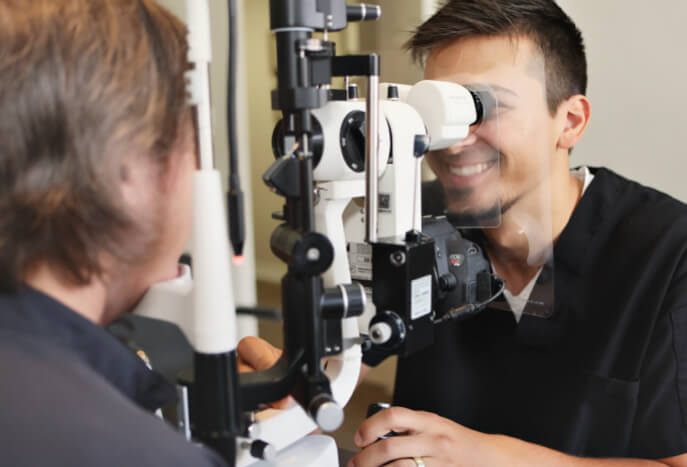
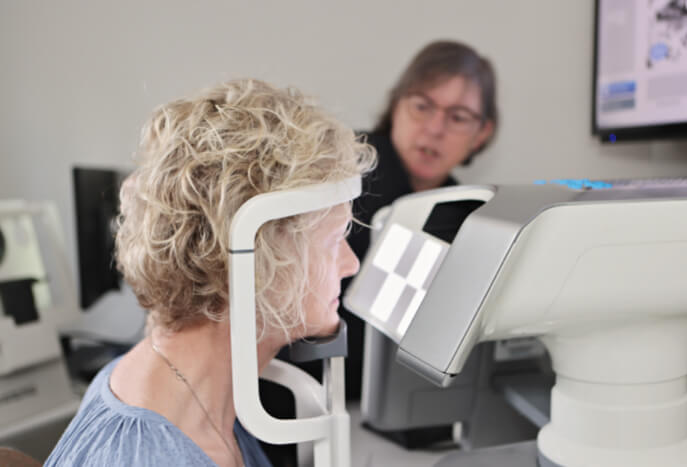
During a contact lens fitting, your optometrist will perform several tests and measurements to determine the best lenses for you. These may include:
Cornea Measurements: The optometrist will measure the curvature of your cornea to determine the appropriate curve for your lenses.
Pupil and Iris Measurements: The size of your pupils and iris will be measured to ensure that your lenses cover your eyes properly.
Tear Film Evaluation: Your optometrist will assess the quality and quantity of your tear film. This is important because a healthy tear film is necessary for comfortable contact lens wear.
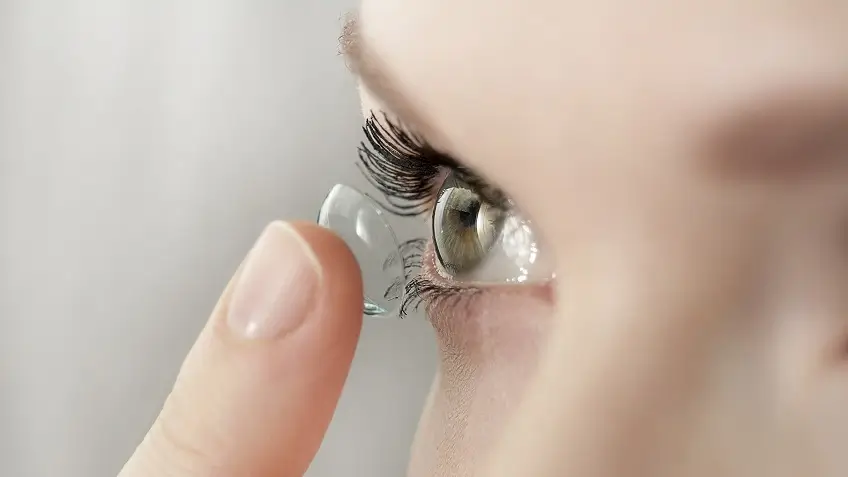
After these measurements are taken, your optometrist will discuss the best type of lenses for you, considering your lifestyle, preferences, and eye health. They will then provide you with a trial pair of lenses and instructions on how to insert, remove, and care for them.
A contact lens fitting is an essential step in getting contact lenses. It ensures that your lenses provide clear vision, fit comfortably, and maintain the health of your eyes. So, if you’re considering contact lenses, make sure to schedule a contact lens fitting with your optometrist.