
If your eyes do not produce enough tears or if the tears evaporate too quickly, dry eye syndrome may develop. It may cause pain, irritability, redness, and even blurred eyesight. While there are many therapeutic alternatives, using omega-3 fatty acids is one natural health support that has received much attention.
Omega-3s, frequently found in fish and some plant-based sources, provide several advantages for dry eyes. Let’s look at how including omega-3s in your diet can help reduce the signs and symptoms of dry eyes and enhance overall eye health.
Anti-Inflammatory Properties
Omega-3 fatty acids have potent anti-inflammatory characteristics that may be used to lessen eye inflammation. Dry eye condition frequently has an underlying cause of inflammation.
Include omega-3 fatty acids in your diet to help reduce inflammation and relieve the signs and symptoms of dry eyes. These fatty acids support a healthy tear film and lessen eye discomfort by modulating the body’s inflammatory response.
Increased Tear Production
Omega-3s have been discovered to boost tear production, which is essential for keeping the eyes moist. Tears assist in eye lubrication, infection prevention, and debris removal.
Dryness and pain might result from a lack of tears. Omega-3 fatty acids increase tear production, improving eye moisture and lessening symptoms of dry eye.
Enhanced Tear Quality
Omega-3s not only boost tear production but they also enhance tear quality. Omega-3s increase the concentration of important fatty acids in tears, which is crucial for preserving a healthy tear film.
This lowers evaporation and prevents dryness by creating a more stable and effective tear film. Improved tear quality lessens the prevalence of dry eye symptoms and increases overall eye comfort.
Meibomian Glands Function
The Meibomian glands in our eyelids produce lubricants to keep tears from evaporating. Evaporative dry eye is a typical type of dry eye condition that the dysfunction of these glands can bring on.
Omega-3s have been demonstrated to enhance Meibomian gland performance, enabling more efficient oil production and release. Omega-3s support the proper operation of these glands, which results in a healthy tear film and reduces the signs and symptoms of dry eyes.
Overall Eye Health
Omega-3 fatty acids have unique advantages for treating dry eyes but also promote overall eye health. A lesser risk of age-related macular degeneration (AMD), the main cause of vision loss, has been linked to them.
Omega-3 fatty acids support healthy retinal function and aid in maintaining the retina’s structural integrity. You may promote the long-term health of your eyes and lower your chance of developing age-related eye disorders by including omega-3s in your diet.
Incorporating Omega-3 Into Your Diet
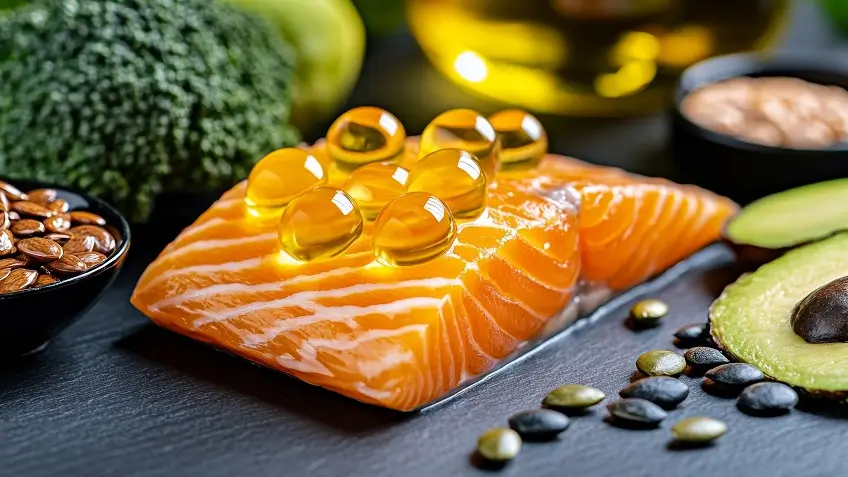
Consider incorporating foods with these necessary fats into your diet to get more omega-3 fatty acids. Salmon, tuna, and sardines are just a few examples of cold-water fish that are great suppliers of omega-3s. If you eat a plant-based diet, you can get omega-3 fatty acids from flaxseeds, chia seeds, hemp seeds, and walnuts. Omega-3 supplements are an alternative; nevertheless, speaking with a healthcare provider before beginning any dietary supplementation is always advisable.
Finally, including omega-3 fatty acids in your diet can positively affect dry eyes. Omega-3 fatty acids are a natural and efficient way to treat the symptoms of dry eyes. Also, reach out to eye doctors in Orangeville, such as Orangeville Optometric Centre, to get comprehensive eye tests in Orangeville and to receive expert advice from our certified optometrists.