
As we age, our bodies undergo numerous changes, and our eyes are no exception. Age-related vision changes are common, but with proper care and attention, you can preserve your eyesight and maintain independence and quality of life. Whether you’re experiencing difficulty reading small print or noticing more glare while driving at night, knowing how to manage these changes is essential.
Recognize the Signs of Aging Eyes
Knowing what is typical is the first step in addressing age-related changes in eyesight. Common conditions that affect seniors include presbyopia (difficulty focusing on close objects), cataracts (cloudy vision), glaucoma (increased eye pressure), and macular degeneration (central vision loss). If you find yourself needing more light to read or squinting more often, it’s time to see an optometrist for a professional eye exam.
Regular Eye Exams Are Critical
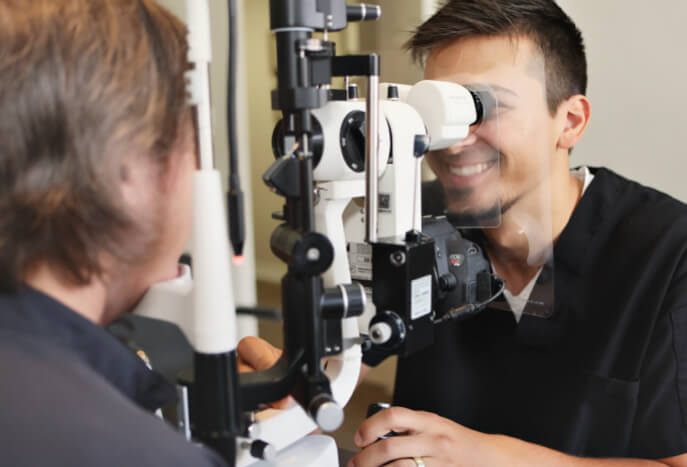
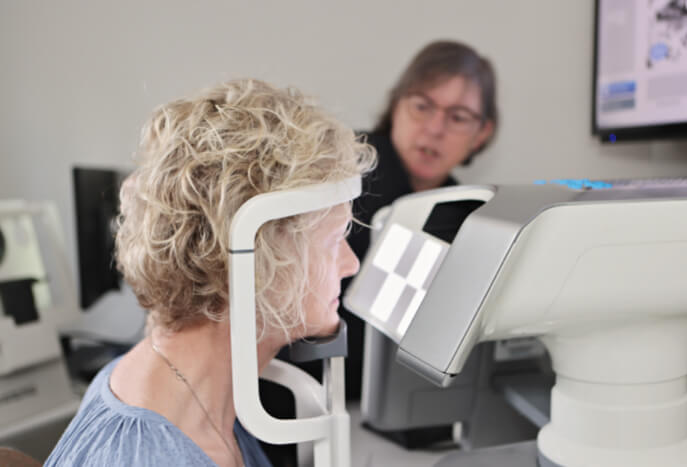
One of the most important habits seniors can adopt is scheduling regular eye exams. A comprehensive eye exam not only checks your prescription but also evaluates the overall health of your eyes. Conditions like glaucoma and macular degeneration often develop slowly and without symptoms, so early detection is vital. Your optometrist can identify these problems in their early stages, potentially saving your vision.
Keep Your Prescriptions Updated
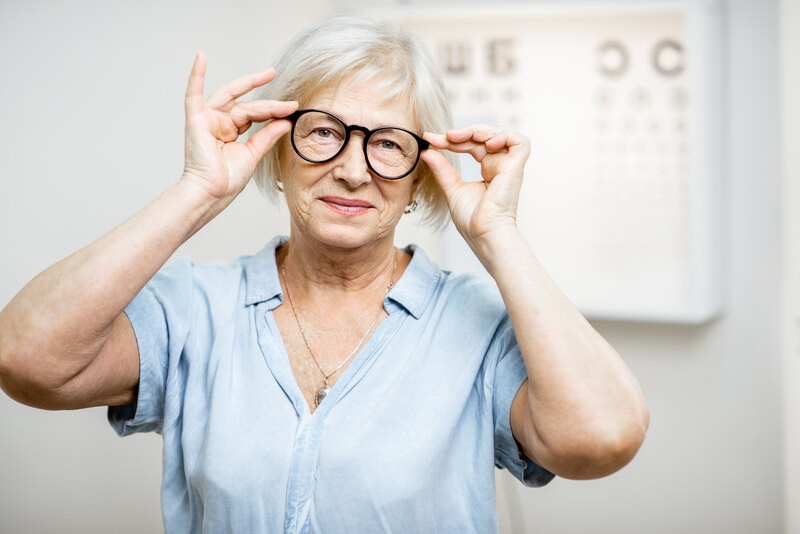
As vision deteriorates over time, keeping your glasses or contact lens prescriptions current is crucial. Wearing outdated prescriptions can strain your eyes, increase the risk of falls, and reduce your ability to perform everyday tasks safely. If you’re unsure when your last eye exam was, it’s a good idea to schedule one, especially if you’re noticing more frequent headaches, blurry vision, or eye fatigue.
Maintain a Healthy Diet
Eating well isn’t just good for your heart and bones—it’s also great for your eyes. A diet rich in leafy greens, citrus fruits, and omega-3 fatty acids supports overall eye health. Nutrients such as lutein, zeaxanthin, and vitamin A can help reduce the risk of age-related macular degeneration and cataracts in the eyes. Your optometrist may also recommend supplements based on your individual needs.
Use Adequate Lighting and Reduce Glare
Many seniors find that better lighting makes a big difference. Add task lighting where you read, sew, or do crafts. Installing nightlights in hallways and bathrooms can prevent accidents. To reduce glare, use window shades and wear anti-reflective lenses or sunglasses when outside.
Protect Your Eyes
Even as an older adult, it’s essential to protect your eyes from UV rays. Wear sunglasses with UV protection when outdoors. If you’re active or involved in hobbies like woodworking or gardening, don’t forget protective eyewear to prevent injury.
Stay Consistent with Your Eye Care Routine
Following your optometrist’s advice and sticking to a routine is key. Whether it’s using prescribed eye drops for glaucoma or simply remembering to wear your reading glasses, consistency helps maintain your eye health in the long term.
See Clearly, Live Fully: Prioritize Your Vision Today
Don’t let age-related vision changes slow you down. Our Orangeville Optometrists specialize in helping seniors maintain clear, healthy sight through personalized eye exams and expert care. Whether you’re updating your prescription or managing eye conditions, our team is here for you. Book your comprehensive eye exam today and see the difference professional vision care can make!
Visit our locations in Orangeville, Tottenham, Caledon, and Shelburne.